
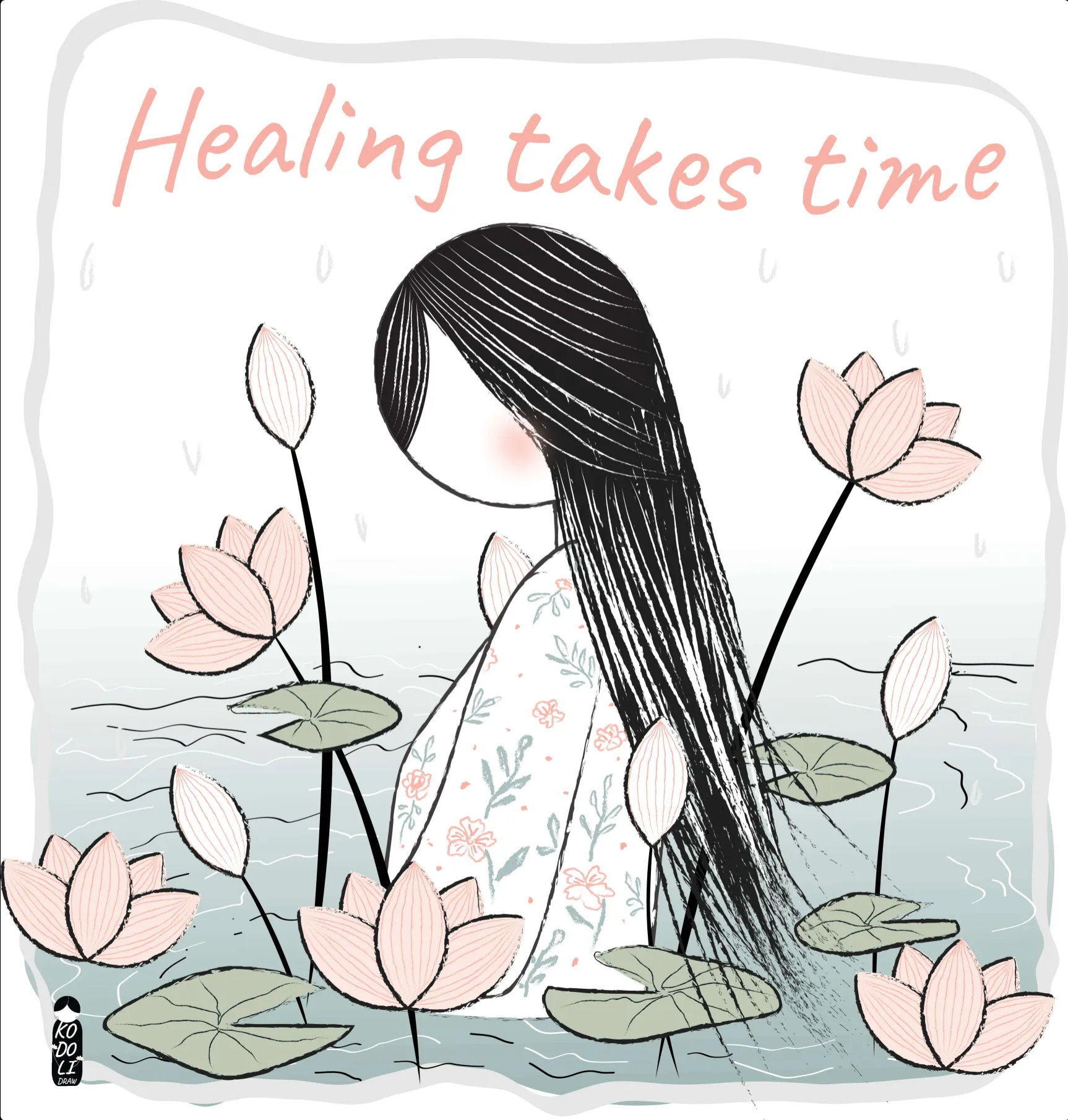
In recent years, I’ve noticed that the term “self-care” has become a popular buzzword, often tossed around in conversations about mental health and well-being. At first, I thought it was just about pampering myself—maybe indulging in a spa day or treating myself to a fancy coffee. But as I’ve navigated the ups and downs of life, I’ve come to realize that self-care is so much more than that. It’s not just a fleeting trend; it’s a vital practice that touches on various aspects of our lives. For me, embracing self-care has become essential for maintaining my overall well-being, and I’ve learned that it’s about nurturing myself in ways that truly matter.
What Self-Care Truly Means
At its core, self-care is about taking the time to nurture and care for ourselves—physically, emotionally, socially, and spiritually. It’s about recognizing our needs and making a conscious effort to meet them. Self-care is not selfish; it’s a necessary practice that allows us to recharge and show up as our best selves in our relationships, work, and daily activities.
When I first started my self-care journey, I thought it was all about pampering myself. However, I quickly learned that true self-care involves a deeper understanding of what I need to thrive. It’s about creating a balanced life where I can manage stress, cultivate joy, and maintain my mental health.
Different Types of Self-Care
Self-care can be categorized into several types, each addressing different aspects of our well-being. Here are the four main types of self-care that I’ve found to be particularly impactful:
1. Physical Self-Care
Physical self-care involves taking care of our bodies through healthy habits. This includes regular exercise, a balanced diet, adequate sleep, and routine medical check-ups. I’ve discovered that when I prioritize my physical health, I feel more energized and capable of handling life’s challenges.
Tips for Physical Self-Care:
– Exercise Regularly: Find an activity you enjoy, whether it’s yoga, running, or dancing. Aim for at least 30 minutes of movement most days.
– Eat Nutritious Foods: Focus on whole foods like fruits, vegetables, whole grains, and lean proteins. Meal prepping can help you stay on track.
– Prioritize Sleep: Create a calming bedtime routine and aim for 7-9 hours of sleep each night.
2. Emotional Self-Care
Emotional self-care is about recognizing and processing our feelings. It involves developing healthy coping mechanisms and seeking support when needed. I’ve learned that it’s okay to feel a range of emotions, and acknowledging them is the first step toward healing.
Tips for Emotional Self-Care:
– Practice Mindfulness: Engage in mindfulness practices like meditation or deep breathing to help manage stress and anxiety.
– Journal Your Thoughts: Writing down your feelings can provide clarity and help you process your emotions.
– Seek Support: Don’t hesitate to reach out to friends, family, or a therapist when you need someone to talk to.
3. Social Self-Care
Social self-care focuses on nurturing our relationships and building a support network. It’s essential to surround ourselves with people who uplift and inspire us. I’ve found that spending quality time with loved ones significantly boosts my mood and overall well-being.
Tips for Social Self-Care:
– Connect with Loved Ones: Schedule regular catch-ups with friends and family, whether in person or virtually.
– Join a Community Group: Engage in activities that interest you, such as book clubs, sports teams, or volunteer organizations.
– Set Boundaries: It’s important to know when to say no to social obligations that drain your energy.
4. Spiritual Self-Care
Spiritual self-care is about connecting with something greater than ourselves, whether that’s through religion, nature, or personal beliefs. It’s a way to find purpose and meaning in our lives. For me, spending time in nature and practicing gratitude has been incredibly grounding.
Tips for Spiritual Self-Care:
– Practice Gratitude: Take a moment each day to reflect on what you’re grateful for, whether through journaling or simply pausing to appreciate the moment.
– Spend Time in Nature: Go for a walk in the park, hike a trail, or simply sit outside and soak in the beauty around you.
– Explore Your Beliefs: Engage in practices that resonate with you, such as meditation, prayer, or reading spiritual texts.
Creating a Self-Care Plan Tailored to Your Needs
Now that we’ve explored the different types of self-care, it’s time to create a personalized self-care plan. Here’s how to get started:
1. Assess Your Needs: Take a moment to reflect on which areas of self-care you feel are lacking in your life. Are you neglecting your physical health? Do you need more emotional support?
2. Set Goals: Based on your assessment, set specific, achievable goals for each type of self-care. For example, if you want to improve your physical self-care, aim to exercise three times a week or incorporate more fruits and vegetables into your meals.
3. Create a Schedule: Block out time in your calendar for self-care activities. Treat these appointments with the same importance as work meetings or social events. Consistency is key to making self-care a habit.
4. Experiment and Adjust: Your self-care plan should be flexible. Try different activities and see what resonates with you. If something isn’t working, don’t hesitate to adjust your plan. Self-care is a personal journey, and it’s essential to find what truly nourishes you.
5. Reflect and Celebrate: Regularly take time to reflect on your self-care journey. Celebrate your successes, no matter how small, and acknowledge the progress you’ve made. This reflection can help reinforce the importance of self-care in your life.
To me, self-care isn’t just a trendy phrase that pops up on social media; it’s a fundamental practice that has the power to transform our quality of life. I’ve learned that when I take the time to truly understand what self-care means and explore its different dimensions, I can create a personalized self-care plan that caters to my unique needs. It’s been eye-opening to realize that taking care of myself isn’t a luxury I can afford only when I have spare time; it’s a necessity that fuels my ability to thrive.
I’ve found that when I prioritize my well-being, I’m not only happier, but I’m also more present and supportive for the people I care about. It’s like the old saying goes: we can only give our best to others when we first take care of ourselves. So, let’s embrace self-care as an essential part of our lives. Together, we can make it a priority and cultivate a healthier, more balanced existence.